Latest · Article
A Script-First Workflow for Unknown World Coins
Use scripts, numerals, symbols, and measurement before guessing a country.
Use scripts, numerals, symbols, and measurement before guessing a country.
Queued collector article for VintageCoins.co.
Queued collector article for VintageCoins.co.
Marketing language, staged end coins, provenance, and realistic expectations.
Certification is important evidence, but varieties, provenance, and holder verification still matter.
When bullion calculations help and when they obscure numismatic value.
How to convert a marketplace claim into an evidence-based identification.
Why obverse, reverse, edge, holder, scale, and angled-light images all matter.
Directories, newspapers, maps, county histories, and merchant records.
Queued collector article for VintageCoins.co.
A practical intervention checklist for inherited coins before irreversible damage.
Queued collector article for VintageCoins.co.
Queued collector article for VintageCoins.co.
Envelopes, trays, receipts, and sequence may preserve provenance and collector intent.
Queued collector article for VintageCoins.co.
Queued collector article for VintageCoins.co.
Queued collector article for VintageCoins.co.
Why two technically similar coins can trade differently.
Queued collector article for VintageCoins.co.
Queued collector article for VintageCoins.co.
Every US silver denomination from 1794 to 1964: composition specs, silver weights, every series by denomination, key dates, how to identify silver in hand, and how to price it against melt.
Every US gold denomination from 1795 to 1933: composition, actual gold weights, all six denominations, the major design series, the 1933 recall and Order 6102, and how pre-1933 gold is…
Every US mint branch, every mintmark letter, and where the mintmark appears on every major pre-1965 series. Plus the 1965-67 no-mintmark era, the 1968 obverse move, and how to read faint…
Everything you need to start collecting pre-1965 US coins: what changed in 1965, every silver-era series by denomination, grading basics, storage, and how to value a coin without getting…
The real differences between Dansco, Whitman, Intercept Shield, and Harris coin albums — which format holds which set best, and what actually protects 90% silver over the long term.
Which 2x2 cardboard coin holders and flips are actually safe for long-term silver storage — BCW, Guardhouse, Saflip, Numis, and H.E. Harris compared. Plus the mylar-vs-PVC rule that governs…
Identify vintage U.S. and world coins through date, mint, denomination, metal, weight, diameter, edge, grade, surfaces, certification, provenance, and exact comparisons.
Start with the exact coin type, then narrow by date, mintmark, variety, grade, and surface quality.
1793–1857 copper half cents, major design families, surfaces, planchet quality, and authentication.
Open guide →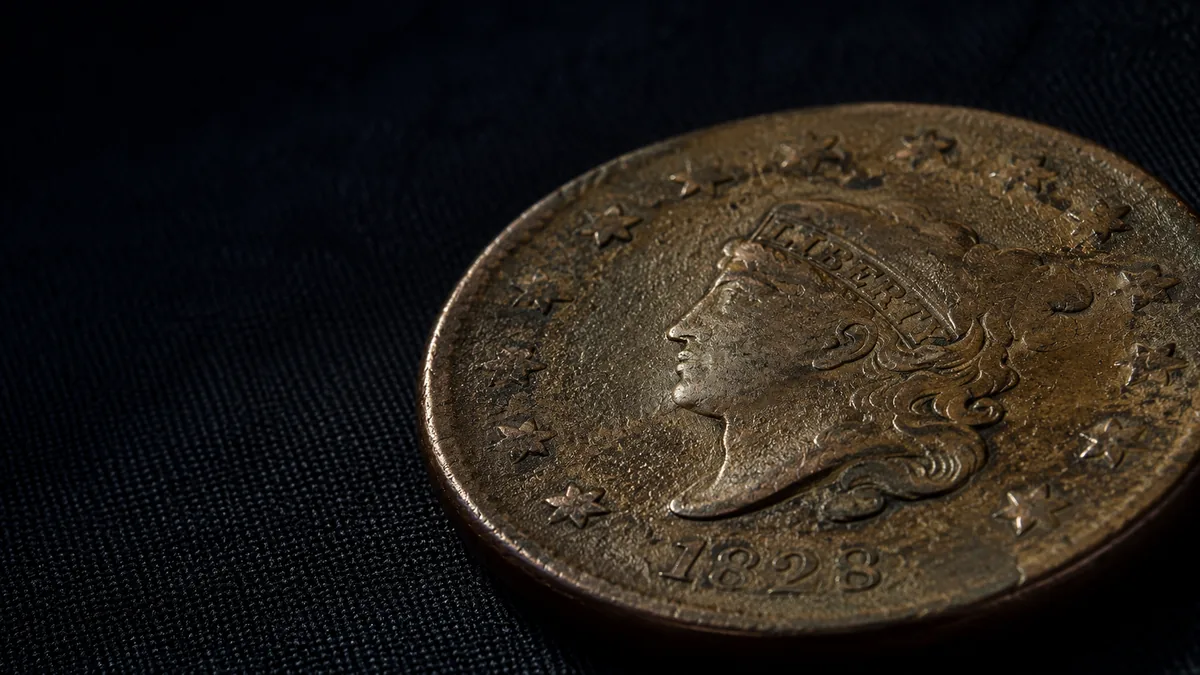
Flowing Hair, Liberty Cap, Draped Bust, Classic Head, and Coronet large cents.
Open guide →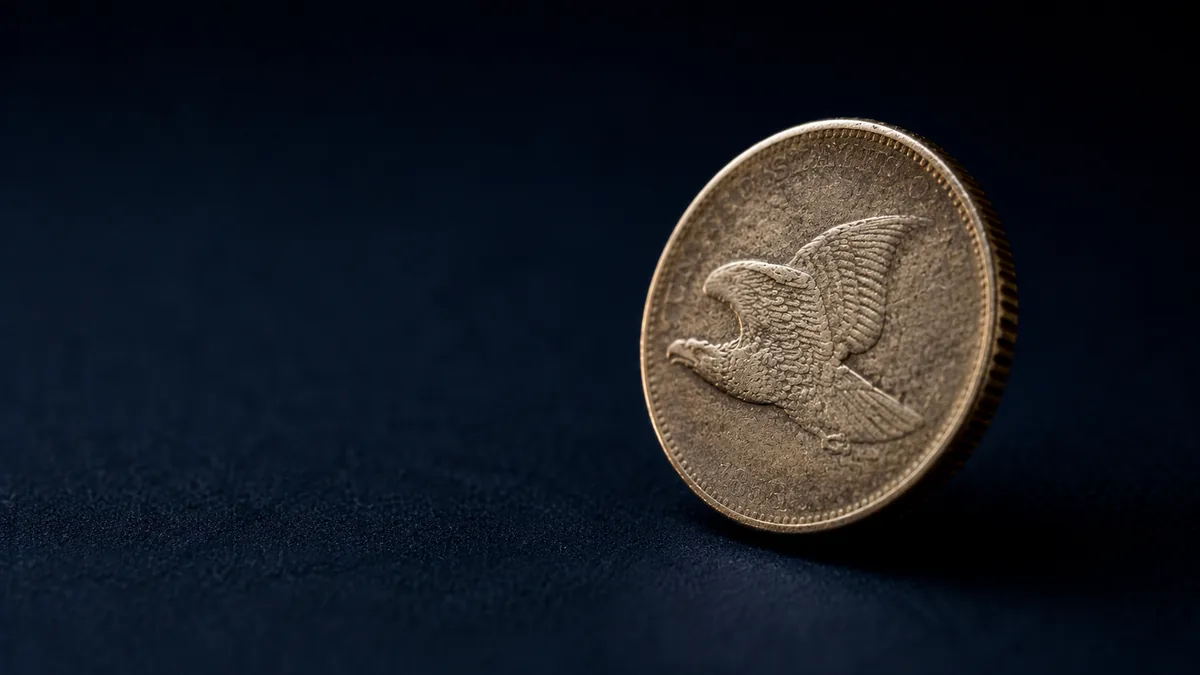
The short 1856–1858 series, weak strikes, centering, and certified comparisons.
Open guide →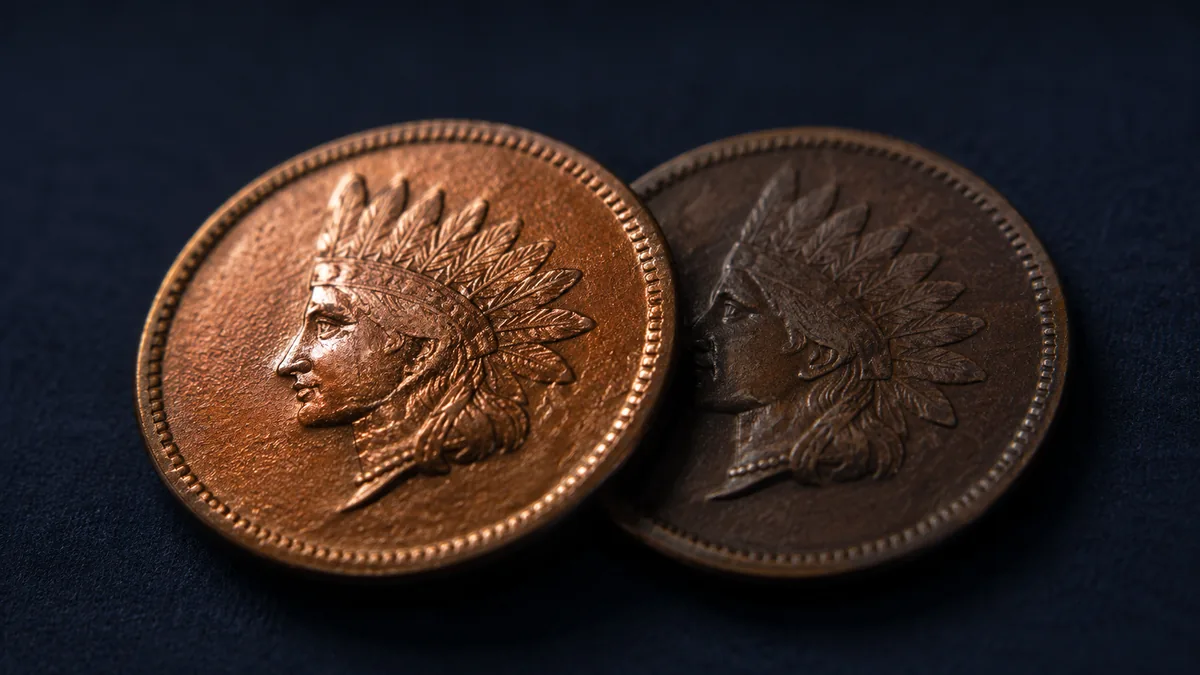
Copper-nickel and bronze issues, key dates, color, strike, and common problems.
Open guide →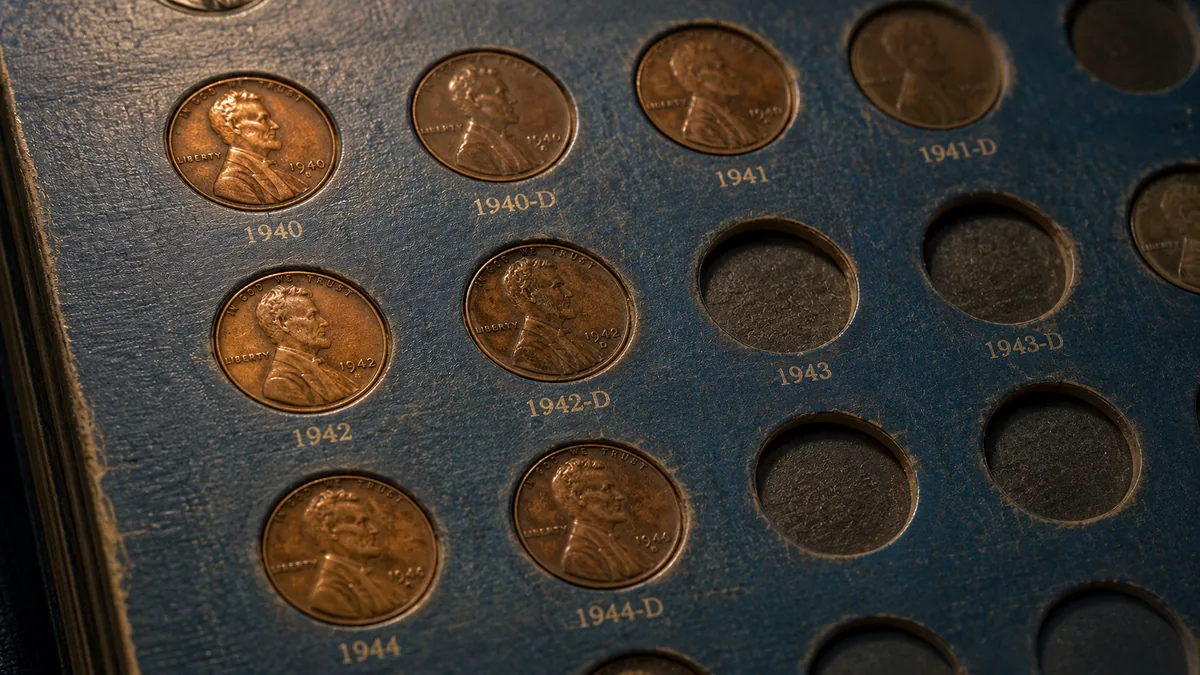
1909–1958 cents, mintmarks, key dates, red-brown color, and album collections.
Open guide →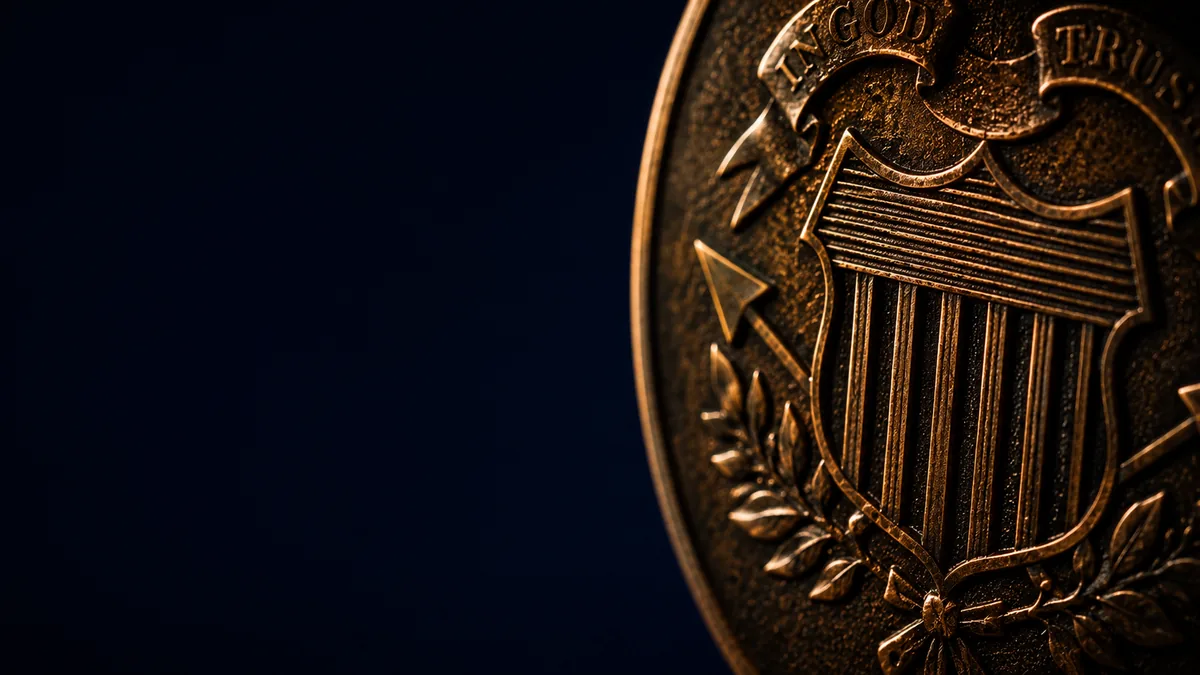
The 1864–1873 series, motto varieties, large and small motto diagnostics, and condition.
Open guide →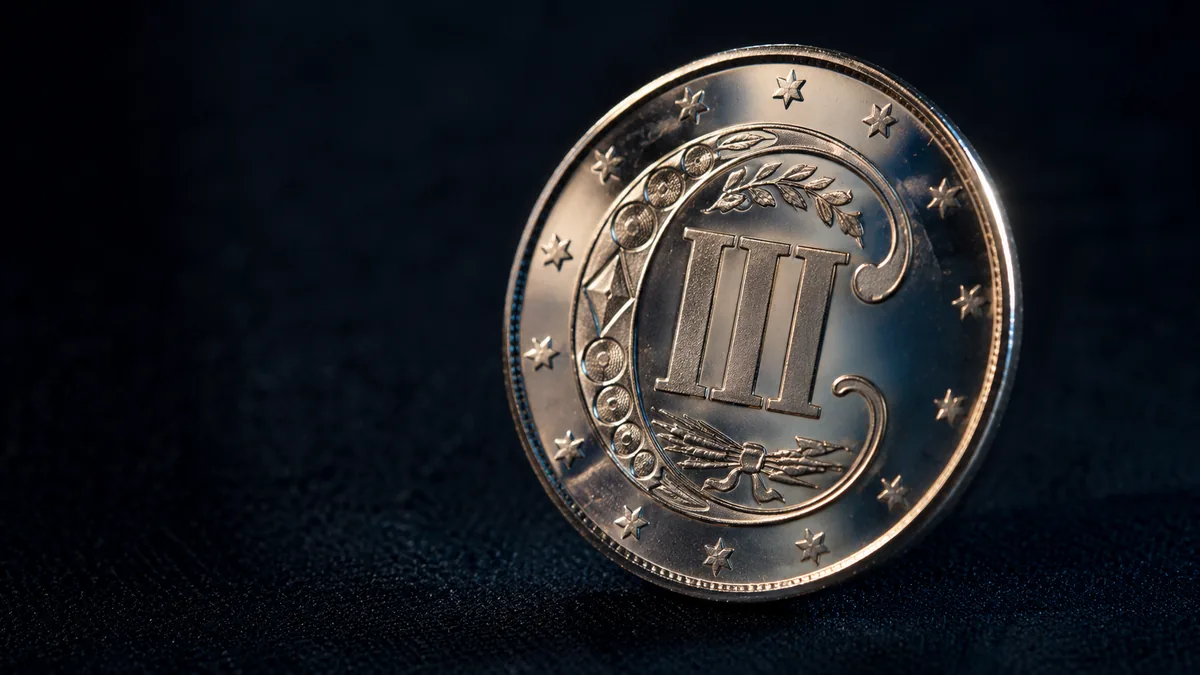
Tiny silver trimes, star outlines, weak strikes, and careful handling.
Open guide →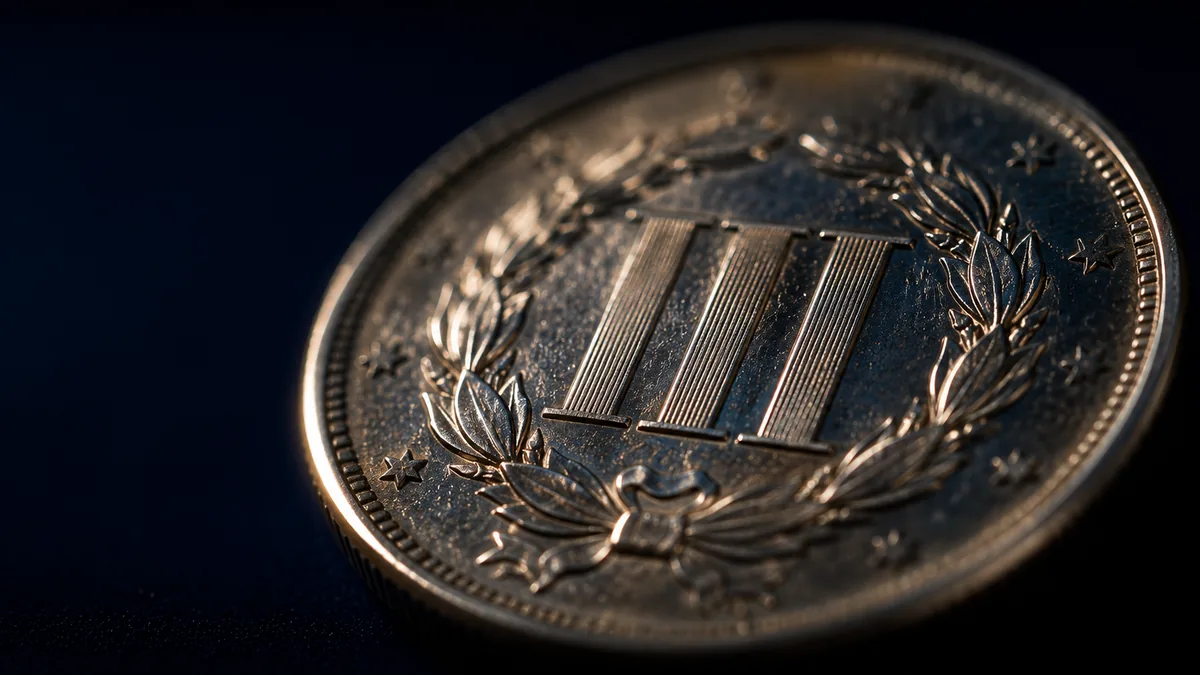
1865–1889 nickel pieces, die varieties, prooflike surfaces, and counterfeit concerns.
Open guide →
Country names change. Scripts and dating systems require a methodical workflow.
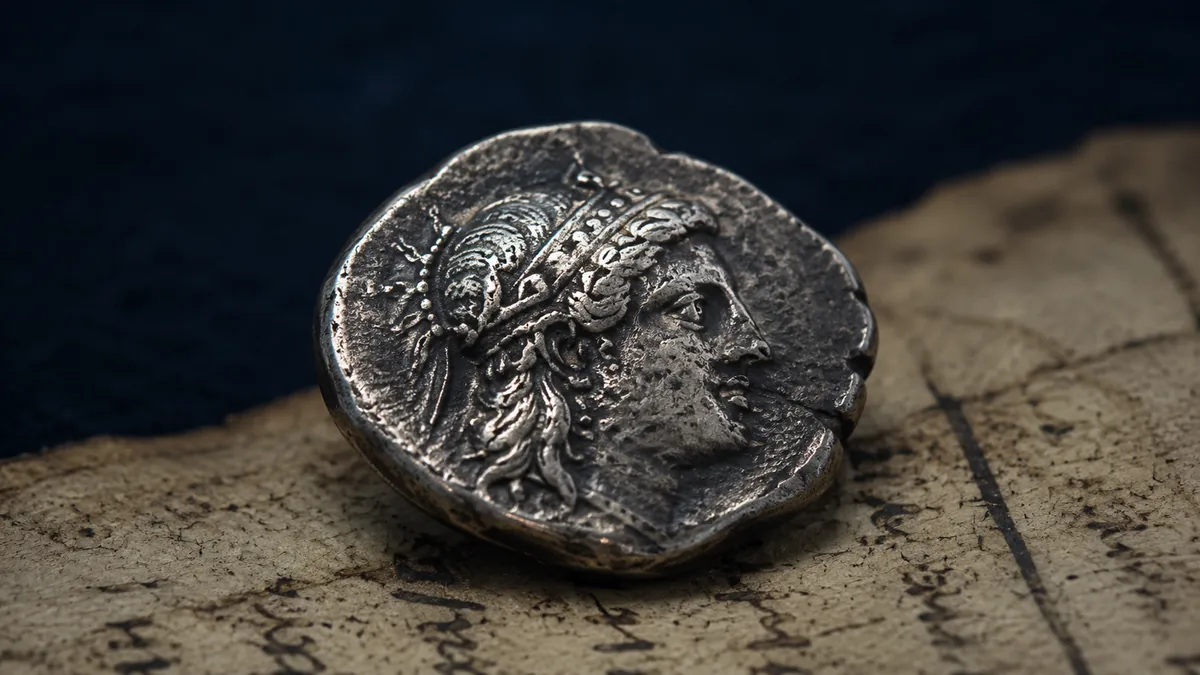
City-states, Hellenistic kingdoms, legends, fabric, style, and provenance-first collecting.
Open guide →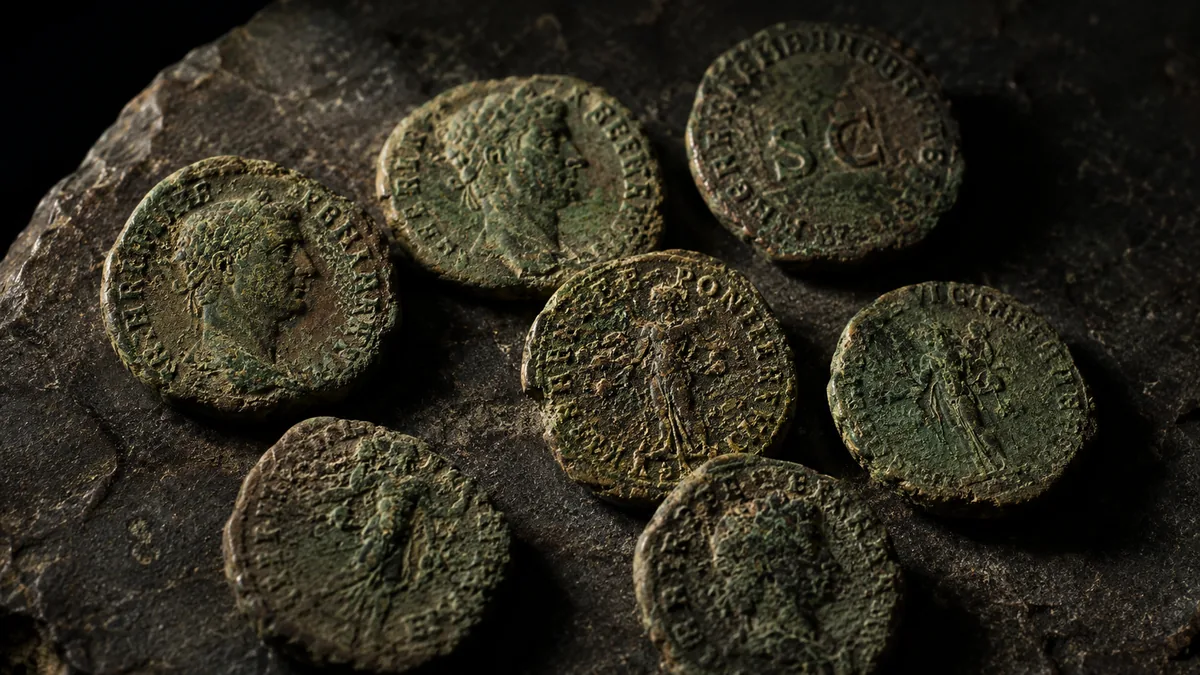
Republican, imperial, provincial, and late Roman coinage, portraits, legends, and provenance.
Open guide →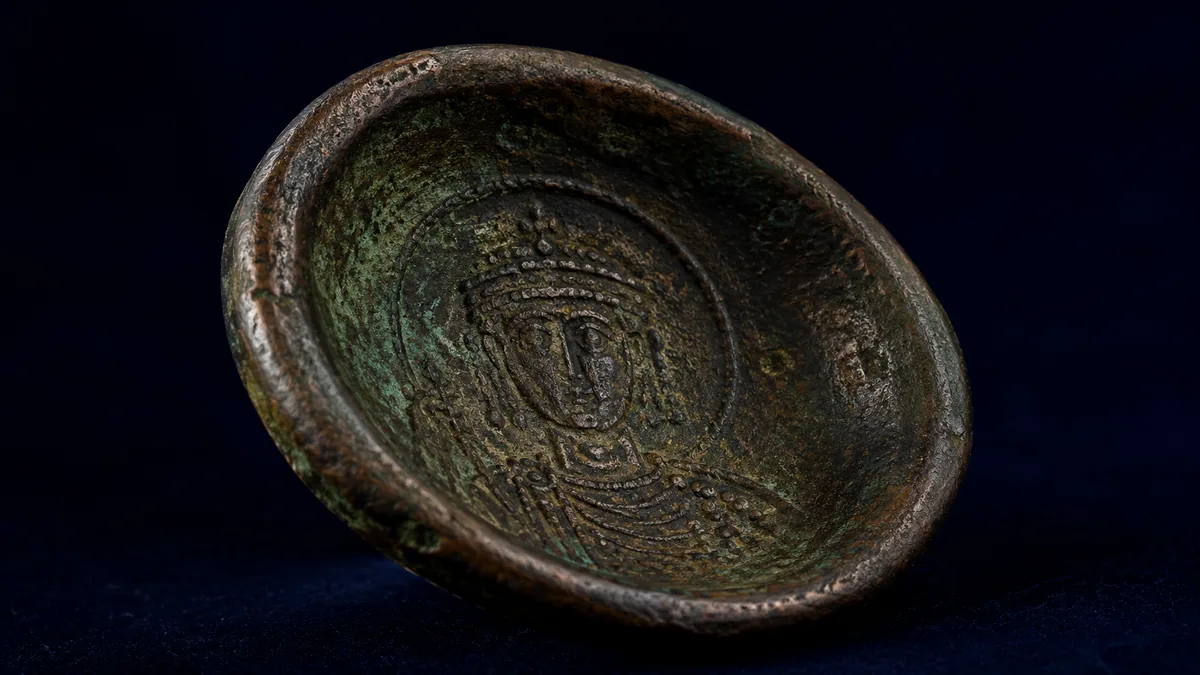
Folles, solidi, anonymous bronzes, regnal years, mints, and overstrikes.
Open guide →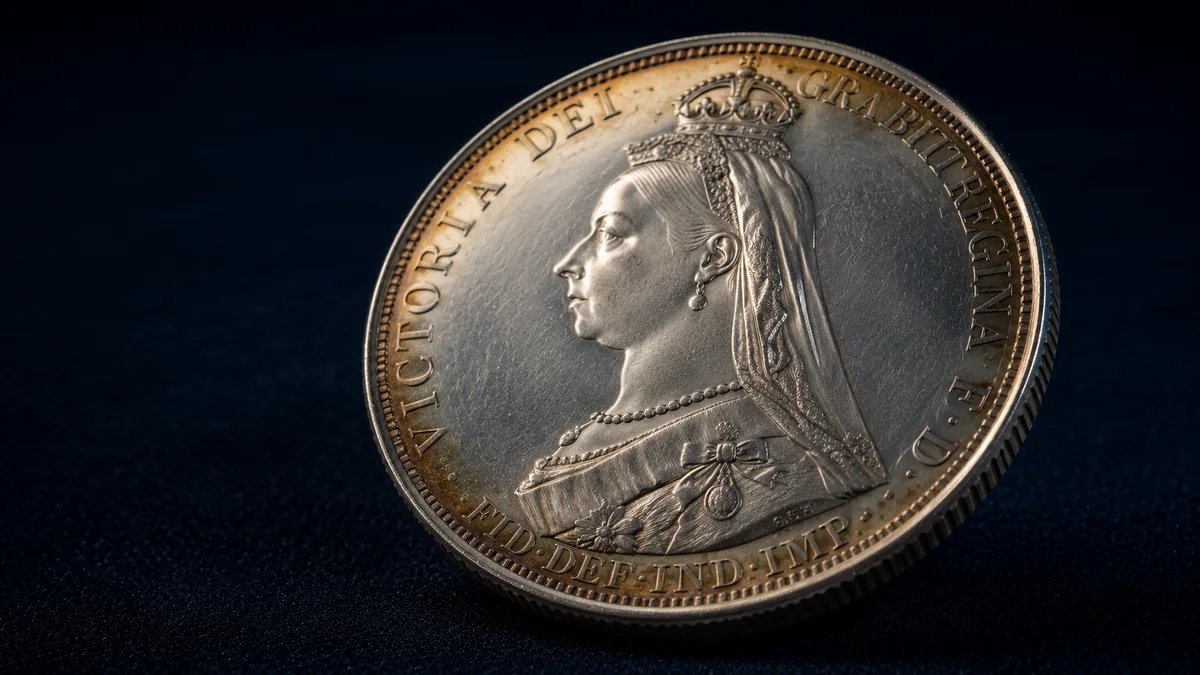
Milled and hammered coinage, sovereigns, crowns, pennies, monarchs, and minting periods.
Open guide →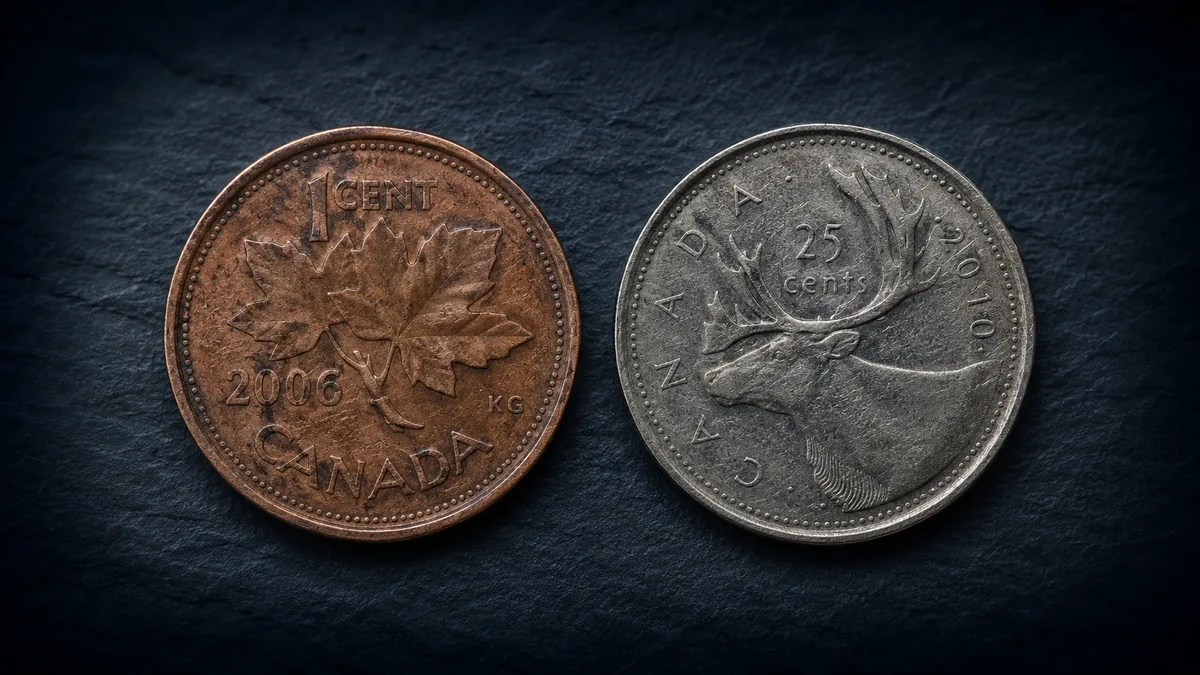
Large cents, silver denominations, provincial issues, varieties, and mint sets.
Open guide →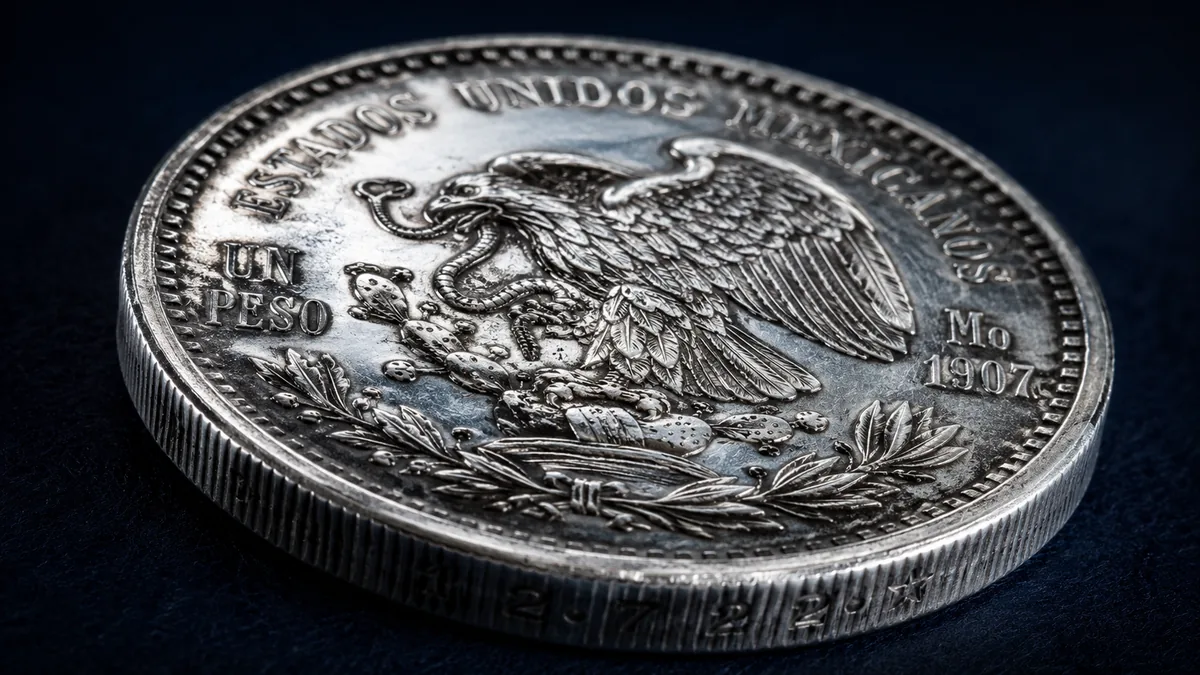
Reales, pesos, revolutionary issues, cap-and-rays designs, silver, and mintmarks.
Open guide →Local pieces become more meaningful when a merchant, mine, lodge, dairy, railway, fair, or neighborhood can be documented.
Category imagery is illustrative. Specimen photographs appear in individual guides.
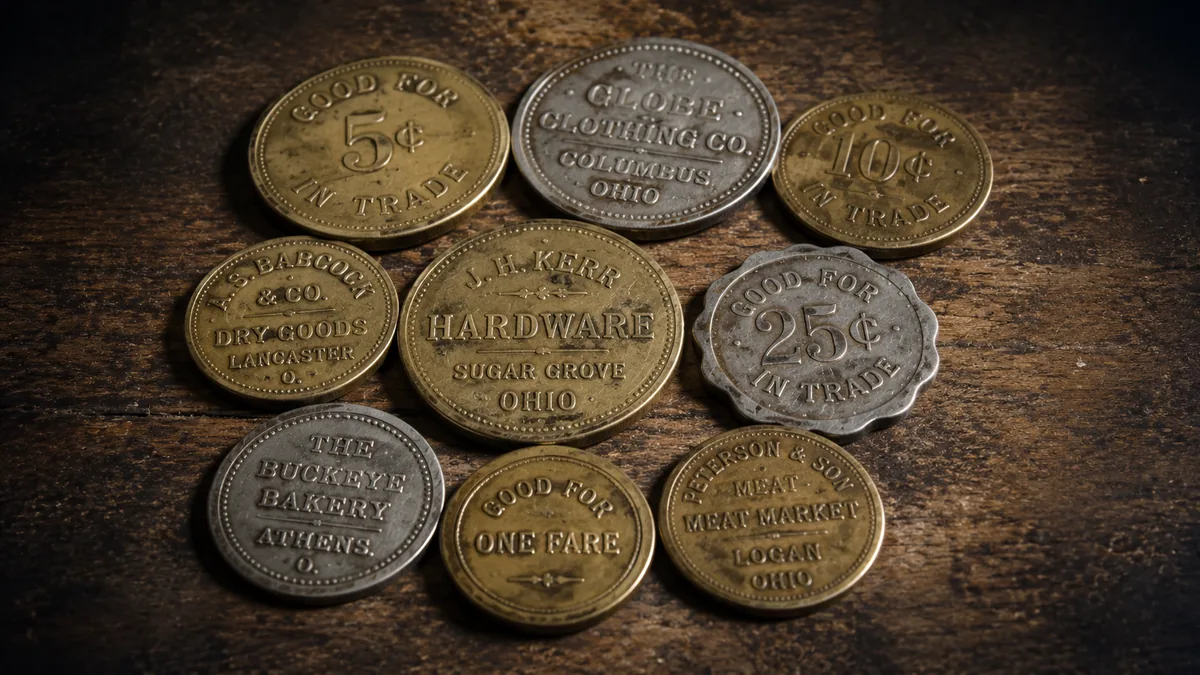
Merchant tokens, saloon and store pieces, town names, denominations, and local research.
Open guide →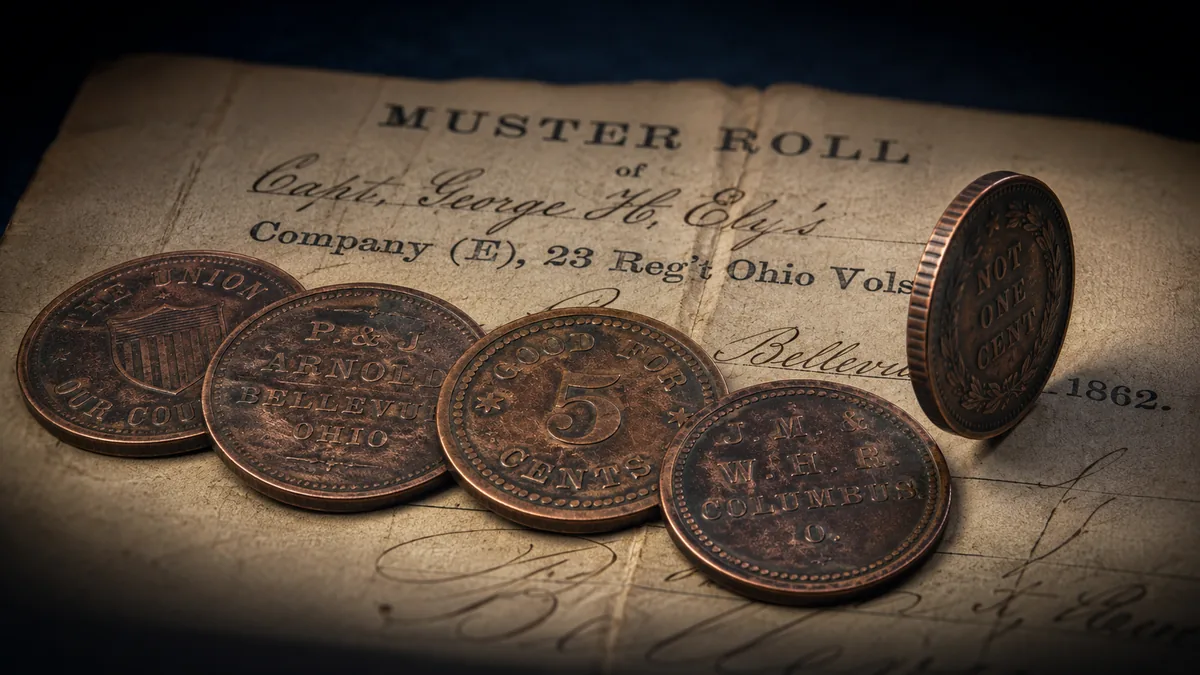
Patriotic and store-card tokens tied to Ohio merchants and wartime coin shortages.
Open guide →
Political and commercial tokens from the Jacksonian era with Ohio connections.
Open guide →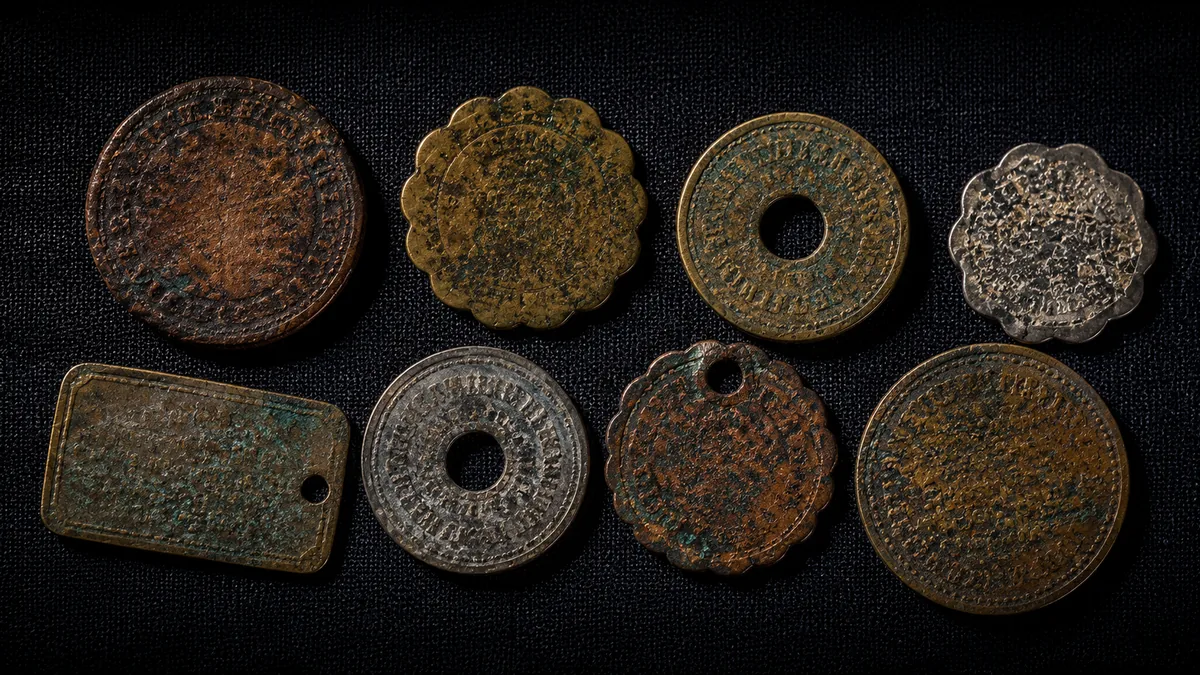
Company-store money, mining communities, denominations, issuers, and provenance.
Open guide →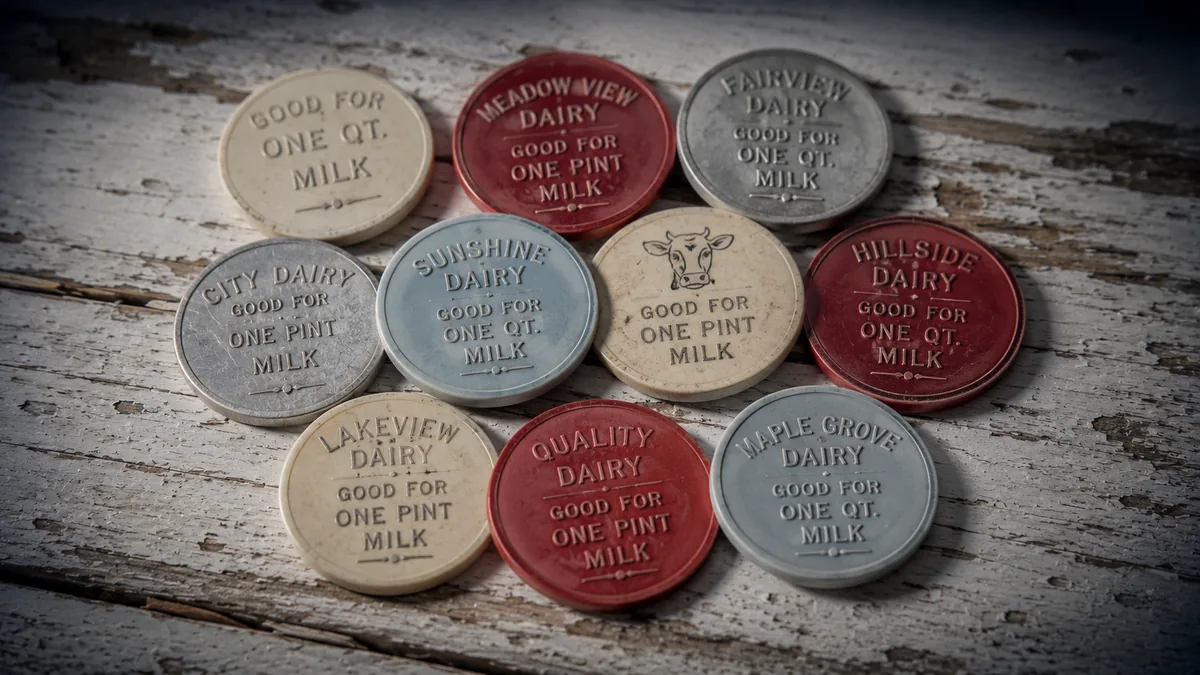
Streetcar, bus, bridge, ferry, parking, and transit tokens from Ohio communities.
Open guide →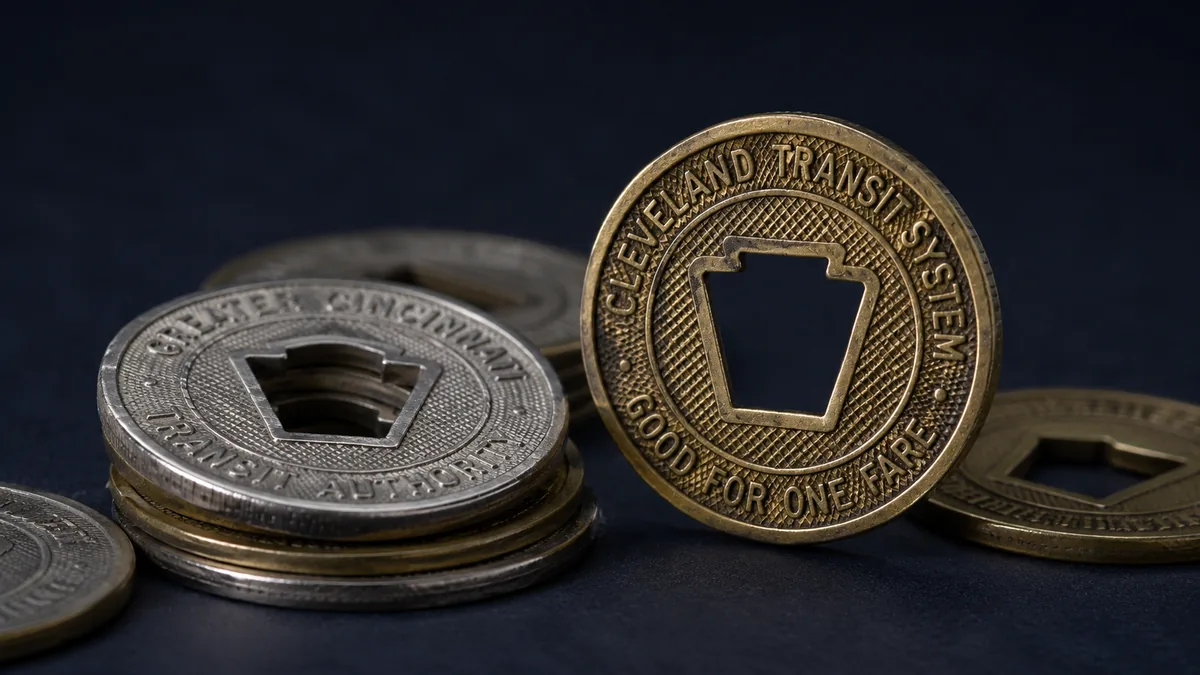
Dairy routes, milk checks, creamery tokens, and local merchant history.
Open guide →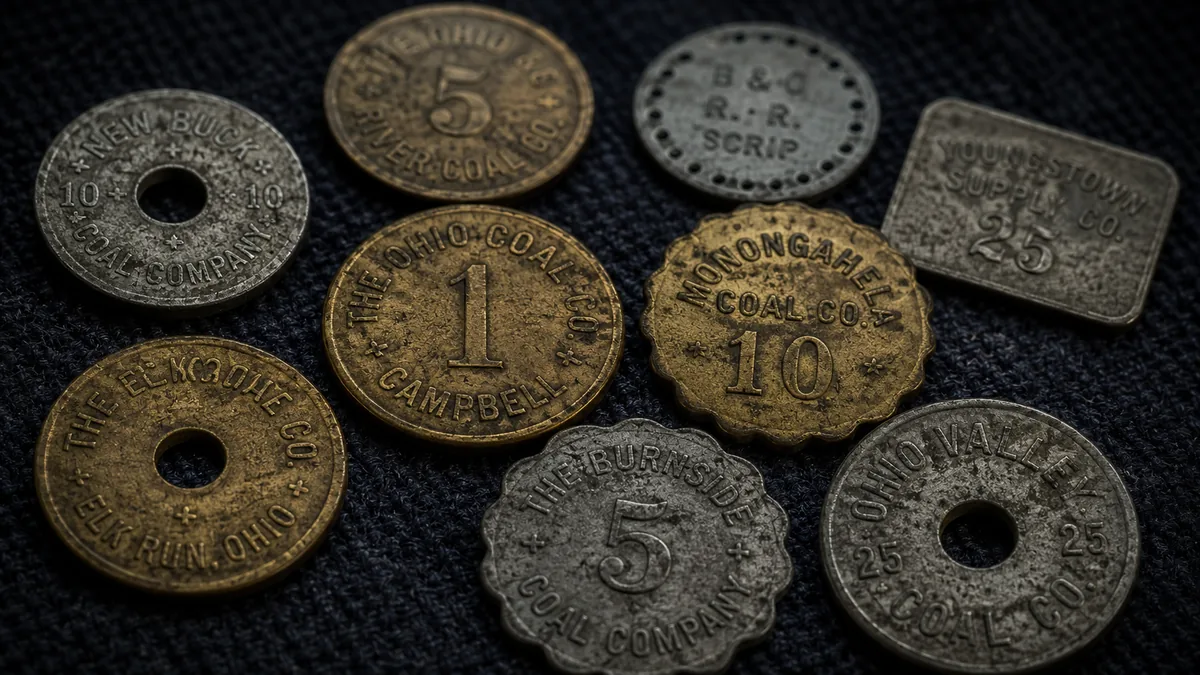
Company pieces tied to mills, yards, camps, and industrial towns.
Open guide →
Arcades, parks, bowling alleys, skating rinks, and local entertainment venues.
Open guide →
Wear, strike, luster, marks, color, eye appeal, and details problems.
Weight, dimensions, edge, metal, style, die markers, and certification.
Build a focused eBay search using country, denomination, era, and detail.
Create consistent records for coins, holders, provenance, and storage.
ErrorCoins.co separates genuine mint errors, die varieties, and post-mint damage with dedicated diagnostics. VintageCoins.co handles the broader coin, grading, and historical context.